A dozen hours in, I thought I had a decent handle on this game. Then I started losing maps I felt I should be winning, and I had to actually sit down and figure out why.
Turns out there were a handful of things I was doing wrong — or just not doing at all — that made a bigger difference than any individual strategy choice. Here's what changed things for me.
Stop babysitting your main hero
This one sounds obvious until you realize how long it took me to actually act on it.
The rookie move is pouring everything into one hero and leaving the others to rot in the tavern. I get why — you want your main guy strong, and splitting resources feels risky. But movement points in this game are genuinely precious, and your main hero will bleed them constantly if they're doing everything themselves.
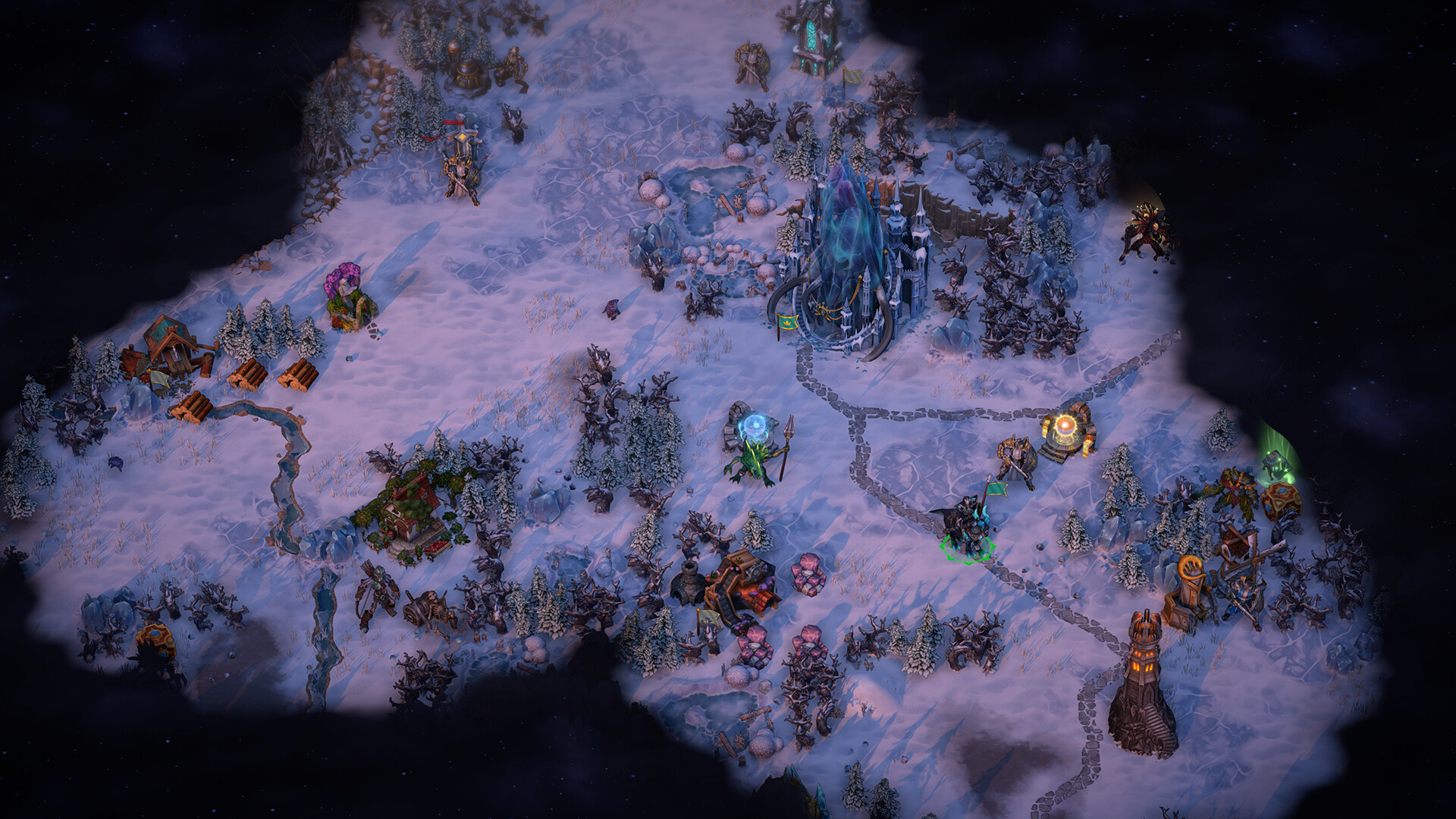
The fix is simple: hire one or two support heroes on Day 1. Give your main hero the army and point them at fights. The support hero gets a tiny escort and a very boring but important job — trail the main hero, scoop up loose resources, ferry troops from town when needed, and flag any unguarded mines along the way.
There's a small mechanic that makes this even better: a hero standing adjacent to a resource picks it up without spending movement. So your support hero can vacuum up gold piles and wood stacks that your main hero walked past without it costing either of them anything. That adds up fast.
Focus Points and the single-unit squad trick
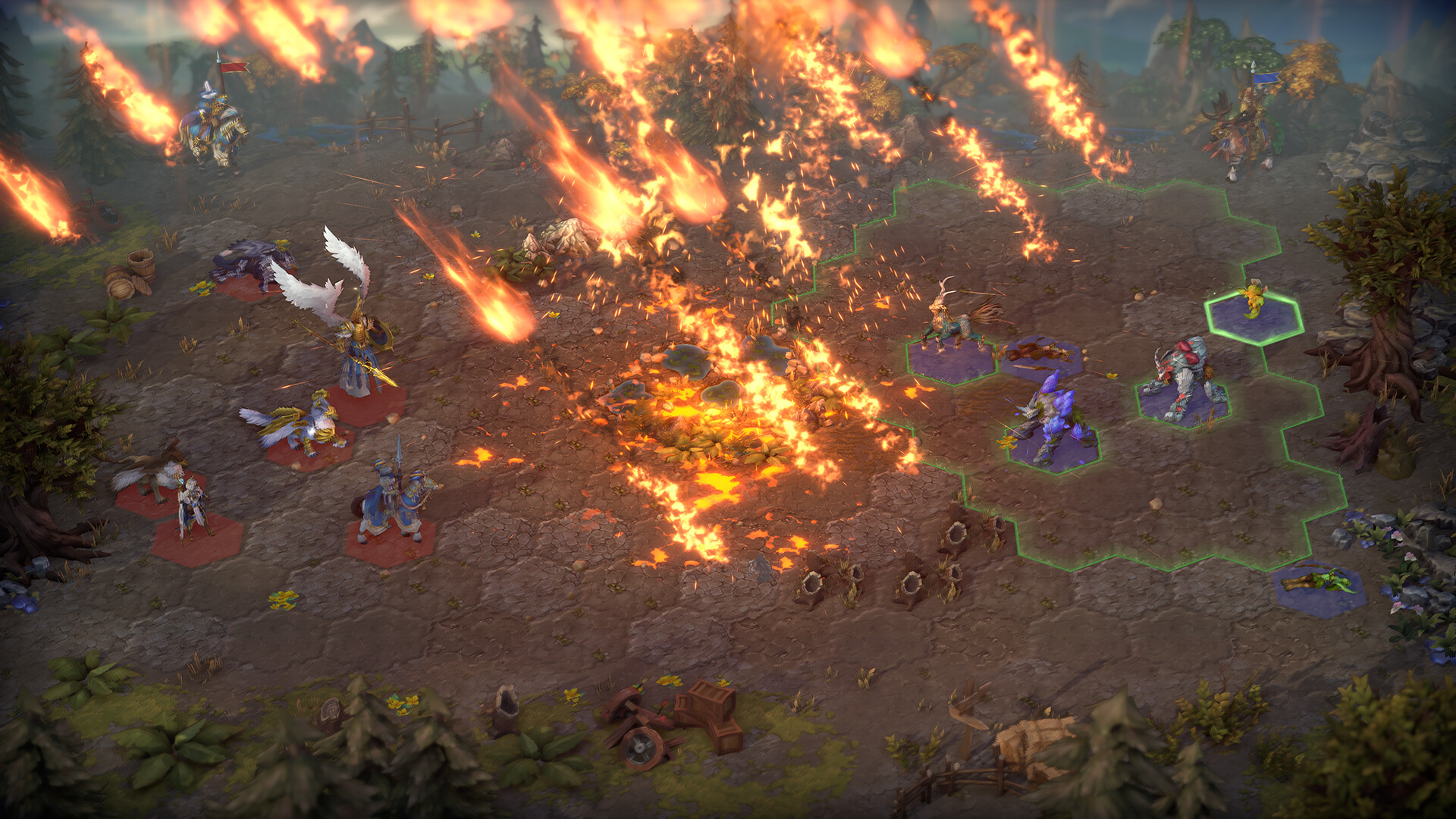
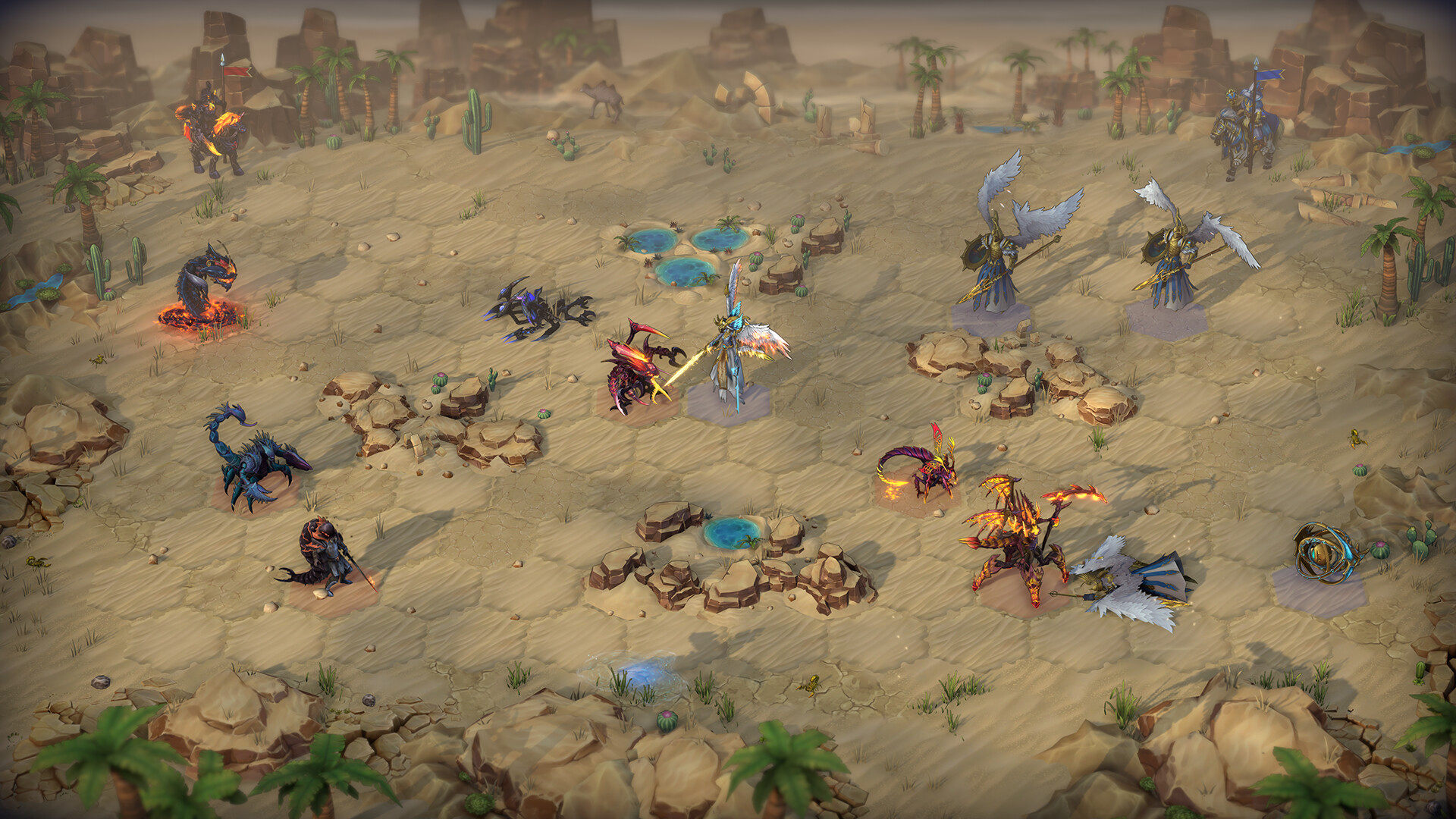
Combat has a Focus Point system that I completely ignored for my first few sessions. Every time a unit attacks, gets attacked, or uses a ranged ability, it slowly builds up Focus Points that unlock stronger abilities for that unit type and feed into hero skills.
Once I started paying attention to it, the single-unit squad trick became one of my most-used moves.
You create it by holding Ctrl and left-clicking a unit to split off exactly one creature into its own stack. This tiny squad does almost no damage — that's not the point. What it does:
- Physically blocks enemy movement through a tile
- Draws attacks and retaliation hits away from your real units
- Intercepts enemies who would otherwise retreat off the field
- Keeps building Focus Points while your main stacks output freely
A lone Thornshot Archer or a single Skeleton sitting in a doorway can completely change how a fight flows. Once you start doing this, you'll find yourself setting it up before almost every serious fight.
The magic system isn't complicated, it just has two things you need to know
Magic in Olden Era tripped me up because I kept treating it like previous HoMM games where you learned spells town by town. It doesn't work that way here.
First thing: Mage Guilds across all your towns are linked through the Observatory network. The moment any city in your territory has a Mage Guild built, you can learn all the spells it contains from any city that has one. You don't need to physically visit each one. This means building a single high-level Mage Guild early and then upgrading it is dramatically more efficient than trying to build mediocre guilds everywhere.
Second thing: Some spells — the strategic ones like Town Portal — aren't unlocked through the Mage Guild at all. They're tied to a separate currency called Enlightenment Points, which you convert from Star Points. Miss this and you'll wonder why you can never find Town Portal in any guild.
One more habit worth building early: don't end your turn in the field if you can help it. Mana regenerates passively when you're resting in a city with a Mage Guild. It's slow, but it adds up over a campaign and means you're not constantly running dry at the wrong moment.
Alchemy Dust is the resource you should actually be hoarding
This game quietly replaced sulfur with Alchemy Dust as the rare resource that everything important costs. Want to upgrade your Tier 4+ barracks to unlock stronger unit forms? Dust. Want to raise a spell above Level 2? Dust. It's everywhere the interesting upgrades live.
The problem is you can't just buy it at the market when you need it. The supply is limited and selling it early is a trap a lot of players fall into.
The most reliable early source is disassembling low-tier artifacts and spell scrolls you're not using. It feels wasteful but it's usually the right call — a spare sword sitting in your inventory is worth less than having enough Dust to upgrade your core units a week ahead of schedule.
One more thing on the economy side: if you're planning to build a new military production building, try to hold off until Day 6 or 7 of the week. Buildings built right before the weekly reset get their first production cycle counted immediately in the next week's tally. It's a small timing trick but it can mean getting an extra unit batch earlier than your opponent.
Gear up, and don't be afraid of the scary zones
This one is partly mindset. Heroes running around without artifacts equipped is just leaving power on the table — equipment matters a lot in this game, and full sets especially. Some set bonuses are ridiculous (there's one that makes your entire army immune to magic damage), and you won't get those by equipping random pieces.
Beyond gear: the map is divided into zones of escalating value, and the high-value areas are almost always guarded by something that feels too strong to fight early. That's the point. Those zones are gated behind having a real army and a properly equipped hero.
The instinct to avoid them is understandable — I spent way too long carefully routing around heavily guarded choke points instead of just building up and walking through them. But that hesitation costs you. The snowball in this game comes from claiming territory, and the most territory-rich regions require you to commit to a fight you're not sure you'll win cleanly.
Build the army. Gear the hero. Then go pick the fight.
None of this is secret knowledge — it's all just stuff the game doesn't explain very loudly. Once it clicks, a lot of the difficulty that felt arbitrary starts feeling like it was actually fair all along.
Which honestly makes me want to replay the early maps with all of this in mind.